Pausing During the Holidays
The holiday season often arrives with a long list of expectations. We feel the pressure to be joyful, social, and productive, turning a time meant for connection into a marathon of activities. In our rush from one gathering to the next, one task to another, we often forget the most important thing: to simply be. This is where the practice of the pause becomes not just a nicety, but a necessary act of liberation.
To pause is to intentionally step away from the endless cycle of doing. It’s more than just taking a break; it’s a conscious choice to disengage from the external pressures and internal chatter that drive us forward relentlessly. It is a moment of stillness that allows you to check in with yourself, to breathe, and to reconnect with your own needs. The benefits are profound, touching every aspect of your well-being. Mentally, a pause clears the fog of overwhelm, allowing for greater clarity and focus. Emotionally, it creates space to process feelings rather than suppressing them. Physically, it calms the nervous system, reducing the harmful effects of chronic stress.
By embracing the pause, you give yourself permission to exist outside of your productivity. You reclaim your time, your energy, and your attention as your own. This holiday season, consider giving yourself the gift of intentional stillness. Here are three ways to incorporate this liberatory practice into your days.

1. Create a "No-Plan" Zone
The holidays can quickly become a rigid schedule of parties, shopping trips, and family obligations. The very structure that is meant to create joy can become a source of stress. A powerful way to pause is to reclaim a block of time and designate it as a "no-plan" zone. This is a scheduled appointment with yourself where the only goal is to have no goal.
This is not a time to catch up on chores or run errands you’ve been putting off. It is sacred, unstructured time. You might choose a two-hour window on a Sunday afternoon or a quiet Tuesday morning. When the time arrives, resist the urge to fill it with "shoulds." Instead, ask yourself a simple question: "What do I feel like doing right now?"
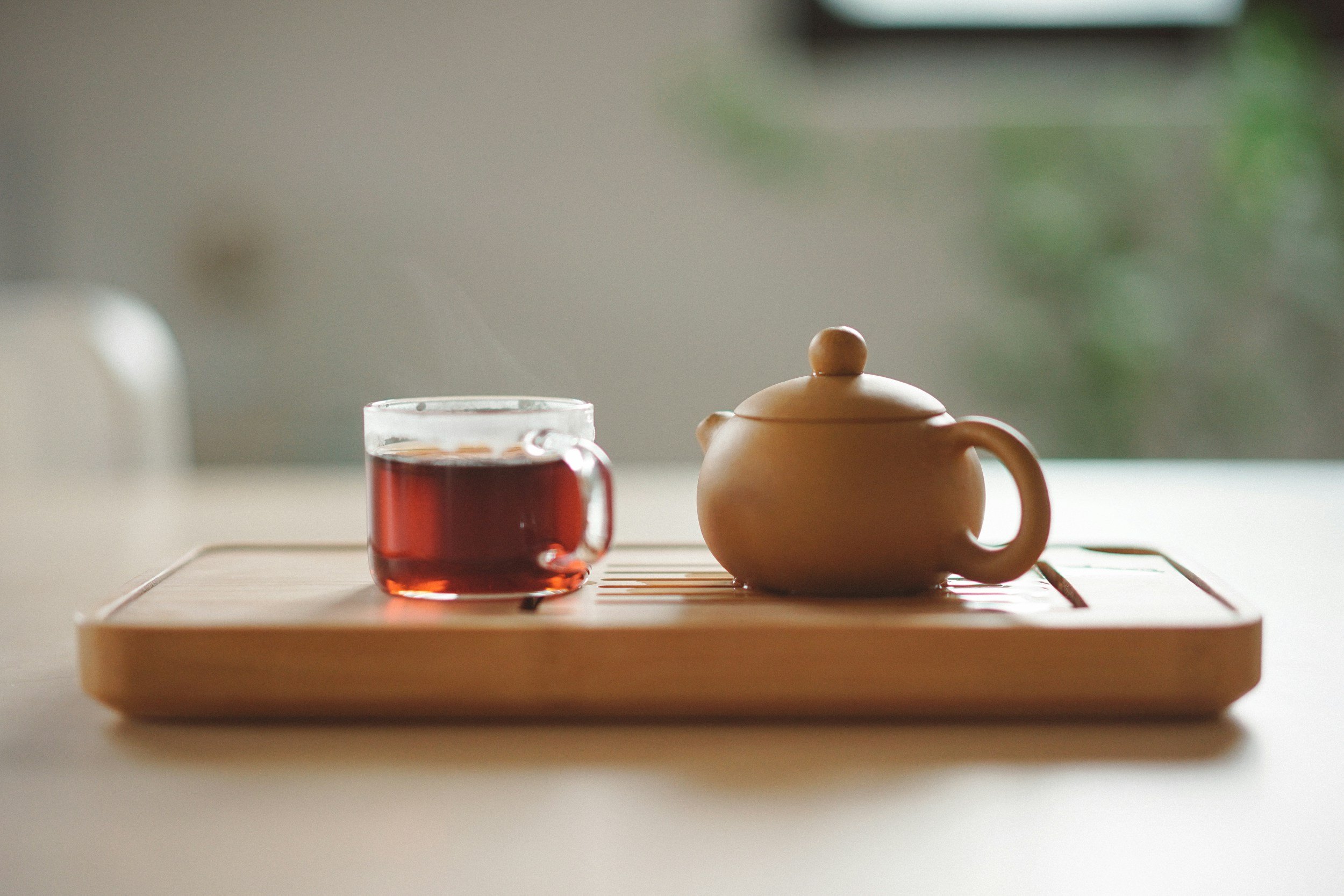
The answer might be surprisingly simple. Perhaps you'll want to sit by a window with a cup of tea, listen to an album from start to finish, or simply lie on the floor and stare at the ceiling. You might find yourself wanting to take a slow, aimless walk without a destination in mind. The activity itself is less important than the intention behind it. By carving out this time, you are actively pushing back against the culture of constant busyness and honoring your own rhythm. It's a powerful declaration that your peace is a priority.
2. Practice Sensory Grounding
A pause doesn't have to be long to be effective. Even a few minutes of intentional awareness can pull you out of a spiral of stress and ground you in the present moment. Sensory grounding is a simple technique that uses your five senses to anchor you in your immediate environment. It’s particularly helpful when you feel overwhelmed by a crowded store, a tense family conversation, or a never-ending to-do list.
Find a quiet spot, even if it’s just stepping outside for a moment or locking yourself in the bathroom for two minutes. Take a deep breath and gently guide your attention to your senses:
Sight: Look around and name five things you can see. Notice their color, shape, and texture without judgment. It could be a hanging ornament, the pattern on a rug, or the way light hits a wall.
Touch: Bring your awareness to four things you can feel. This could be the softness of your sweater, the coolness of a windowpane against your hand, the solid ground beneath your feet, or the warmth of a mug.
Hearing: Listen for three sounds. Tune into sounds you might normally filter out, like the hum of the refrigerator, distant traffic, or the chirping of a bird outside.
Smell: Identify two scents in the air. Maybe it’s the lingering aroma of coffee, the fresh scent of a pine tree, or the faint smell of a candle.
Taste: Focus on one thing you can taste. You can take a sip of water and notice its flavor and temperature, or simply notice the current taste in your mouth.
This practice yanks your mind out of future worries and past regrets, planting it firmly in the here and now. It is a mini-liberation from the tyranny of your thoughts, offering a quick and accessible reset anytime you need it.

3. Engage in Reflective Journaling
The end of the year is a natural time for reflection, but it often gets lost in the rush to plan for the new year. A journaling practice is a structured way to pause and connect with your inner world. It provides a private space to untangle your thoughts, acknowledge your feelings, and gain perspective on your experiences. This isn't about documenting your day like a diary; it's about asking yourself meaningful questions.
Set aside 10-15 minutes at the beginning or end of your day. Find a comfortable place where you won’t be interrupted. You can use a beautiful notebook or a simple document on your computer. The key is to write freely, without censoring yourself or worrying about grammar and punctuation.
Here are a few prompts to get you started:
What is one thing that brought me a moment of peace today?
Where am I feeling tension in my body, and what might it be telling me?
What is a "should" I can let go of this holiday season?
What is one thing I am proud of myself for lately?
If I could give myself one gift right now, what would it be?
This practice of turning inward allows you to become an observer of your own life rather than just a participant swept along by the current. It helps you recognize patterns, celebrate small wins, and process challenging emotions. By externalizing your thoughts onto the page, you create mental space and emotional freedom.

Reclaiming Your Inner Peace
The invitation to pause is an invitation back to yourself. It is a radical act in a world that constantly demands more from you. By building these small moments of intentional stillness into your holiday season, you are not neglecting your responsibilities. Instead, you are fortifying yourself to meet them with greater presence, calm, and clarity. You are liberating yourself from the pressure to perform and reconnecting with the quiet, authentic self that waits beneath the noise. This season, let the pause be your greatest gift.